The Ethos of Guideship
Presence, not position. Conditions, not control.
Most leadership models treat leadership as a permanent stance. You’re the leader, leading away.
Systems work differently.
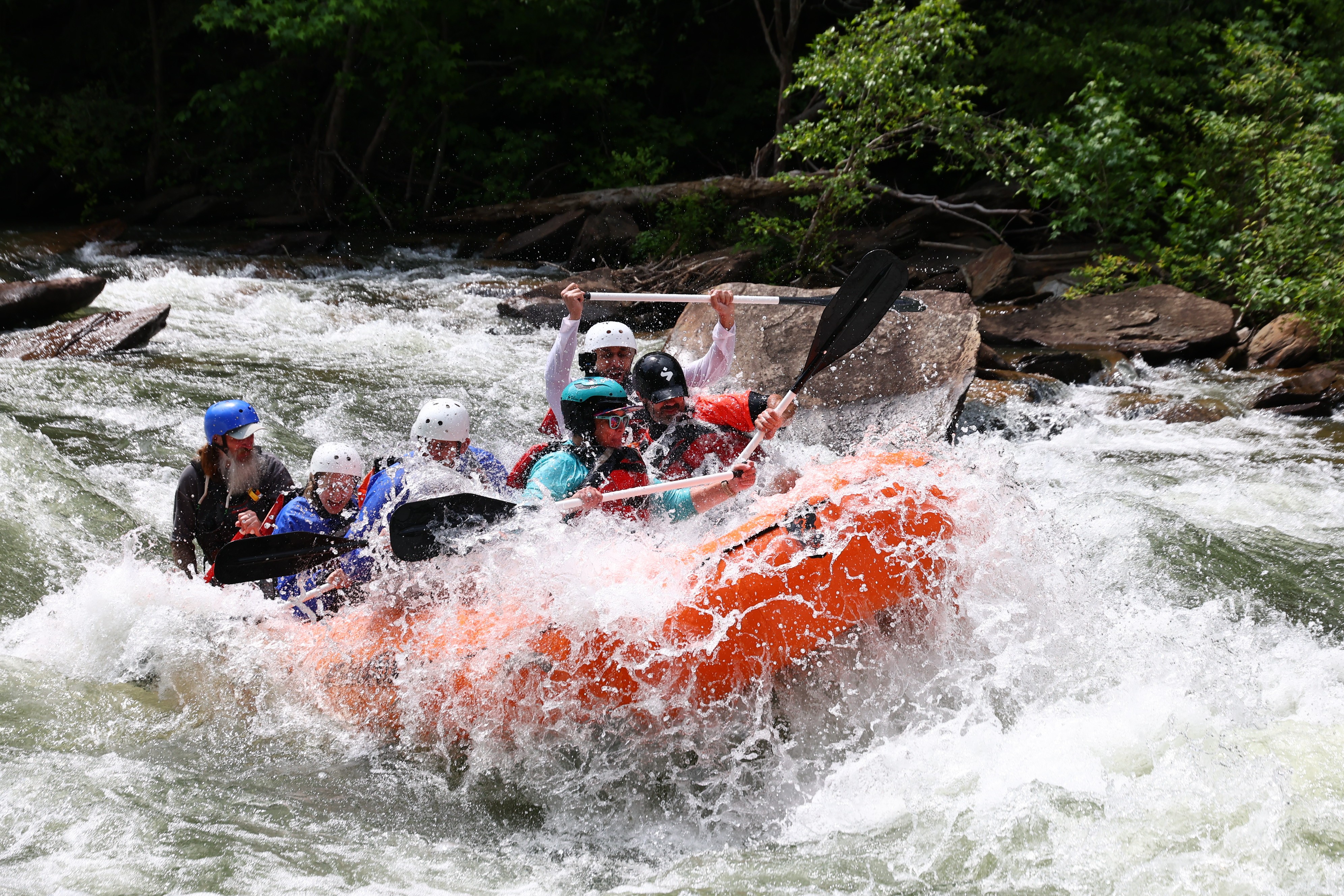
Watch a whitewater raft guide. And yes, I used Guideship in the Method as an homage to what they achieve daily. Ten strangers. No time for trust-building exercises. The river is moving whether they’re ready or not.
In five minutes, that guide creates enough cohesion and clarity to keep everyone paddling through Class IV rapids without panic.
How? By reading the terrain and shifting stance as the moment demands.
First, they follow. They observe. Who’s nervous? Who’s overconfident? Who’s checking out? You can’t guide what you haven’t noticed.
Then, they manage. They create structure. Assign roles. Teach rhythm. Coordinate effort. This removes friction so energy goes where it matters.
Then, they lead. Direction with clarity. “Forward two.” “Right side, dig.” The team trusts the call because the guide proved they were paying attention.
The sequence matters. Observation earns structure. Structure earns direction. Skip a step, and the team drifts.
Why This Matters
Why Position Isn’t Enough
Most leadership models treat leadership as a permanent stance. You’re the leader, leading away.
Systems work differently.
Watch a whitewater raft guide. And yes, I used Guideship in the Method as an homage to what they achieve daily. Ten strangers. No time for trust-building exercises. The river is moving whether they’re ready or not.
In five minutes, that guide creates enough cohesion and clarity to keep everyone paddling through Class IV rapids without panic.
How? By reading the terrain and shifting stance as the moment demands.
First, they follow. They observe. Who’s nervous? Who’s overconfident? Who’s checking out? You can’t guide what you haven’t noticed.
Then, they manage. They create structure. Assign roles. Teach rhythm. Coordinate effort. This removes friction so energy goes where it matters.
Then, they lead. Direction with clarity. “Forward two.” “Right side, dig.” The team trusts the call because the guide proved they were paying attention.
The sequence matters. Observation earns structure. Structure earns direction. Skip a step, and the team drifts.
“Guides build the conditions where the right outcome becomes possible.”
You can have all the capacity in the world. If your Signal isn’t landing, nothing moves.
Signal is how your intention travels through culture and becomes impact. What others perceive, receive, and believe about your leadership.
When your Signal is clear: People act without waiting for permission. Decisions align without endless meetings. Conflict gets addressed instead of avoided. The culture knows what matters.
When your Signal is muddled: Teams second-guess every move. Priorities shift based on who spoke last. Trust erodes because people can’t predict what you’ll do next.
Guides pay attention to the gap. They notice when the message isn’t landing and adjust. Because they’re present.

FAQ’s
FAQs
How is Guideship different from servant leadership or situational leadership?
Can you teach someone to be a guide, or is it innate?
What if my organization’s culture is too rigid for this?
How do I know if I’m reading the terrain correctly?
Ready to Build This?
Section 6: CTA Body
Let’s talk about what Guideship looks like in your organization.
Section 6: CTA Button Text
Let’s talk →
Section 6: CTA Button Link
/contact (or calendar link)